























If you've stood in the deli aisle squinting at a ham labeled "uncured" and wondered whether that's actually better for you, you're not alone. It's one of the most misunderstood labels in the meat case. The short answer: both cured and uncured ham go through a curing process, they just get there with different ingredients. Here's what's actually going on, and how to pick the ham that's right for your table.
What Is Cured Ham?
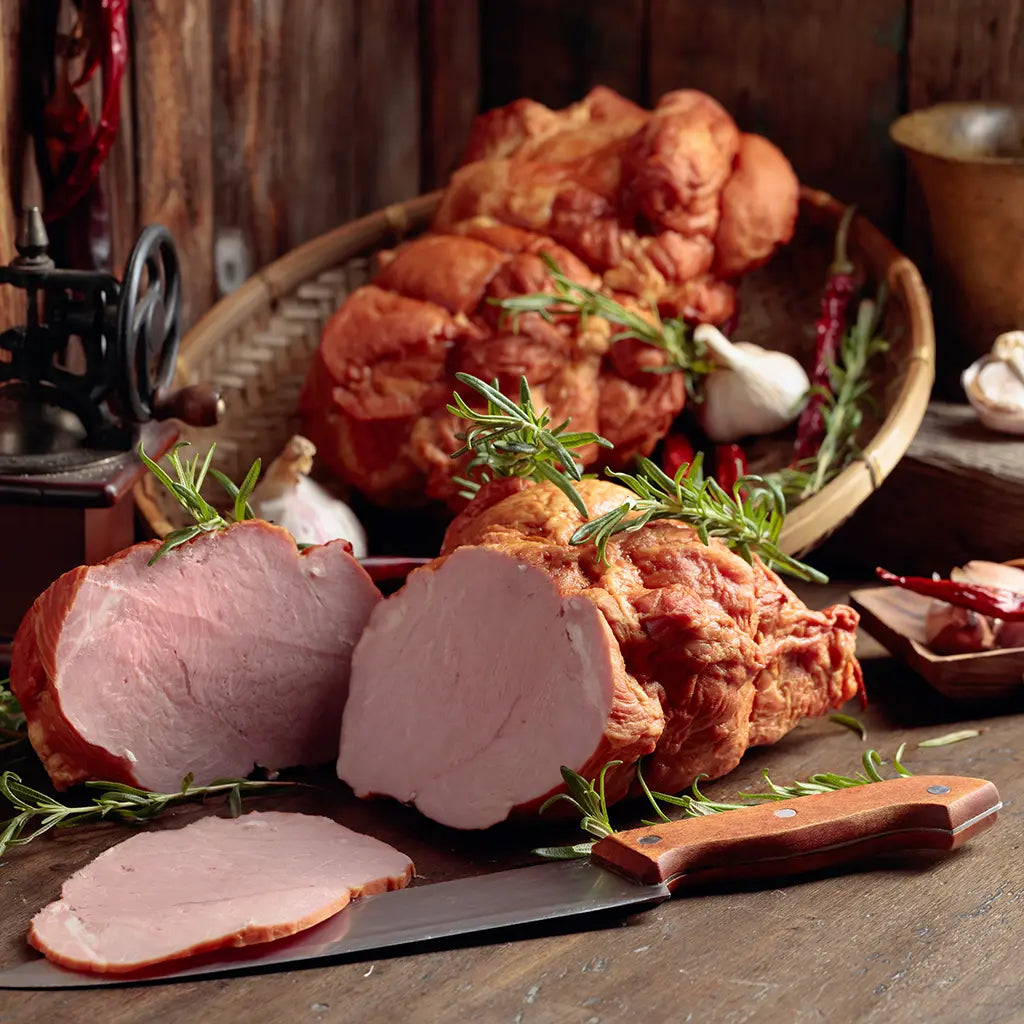
Cured ham is exactly what it sounds like: pork leg preserved with salt, and typically sodium nitrate or nitrite, to extend shelf life, fight off bacteria, and give ham its signature pink color and savory flavor. According to the USDA's Food Safety and Inspection Service, ham is legally defined as "cured leg of pork," and any product sold under that name has gone through this preservation process (USDA FSIS).
How Cured Ham Is Made
Curing works by drawing moisture out of the meat while introducing salt and curing agents that stop bacterial growth in its tracks. Depending on the method, this can happen quickly through injection, or slowly through the traditional dry-salt process that's been used for generations.
Dry-Cured Ham
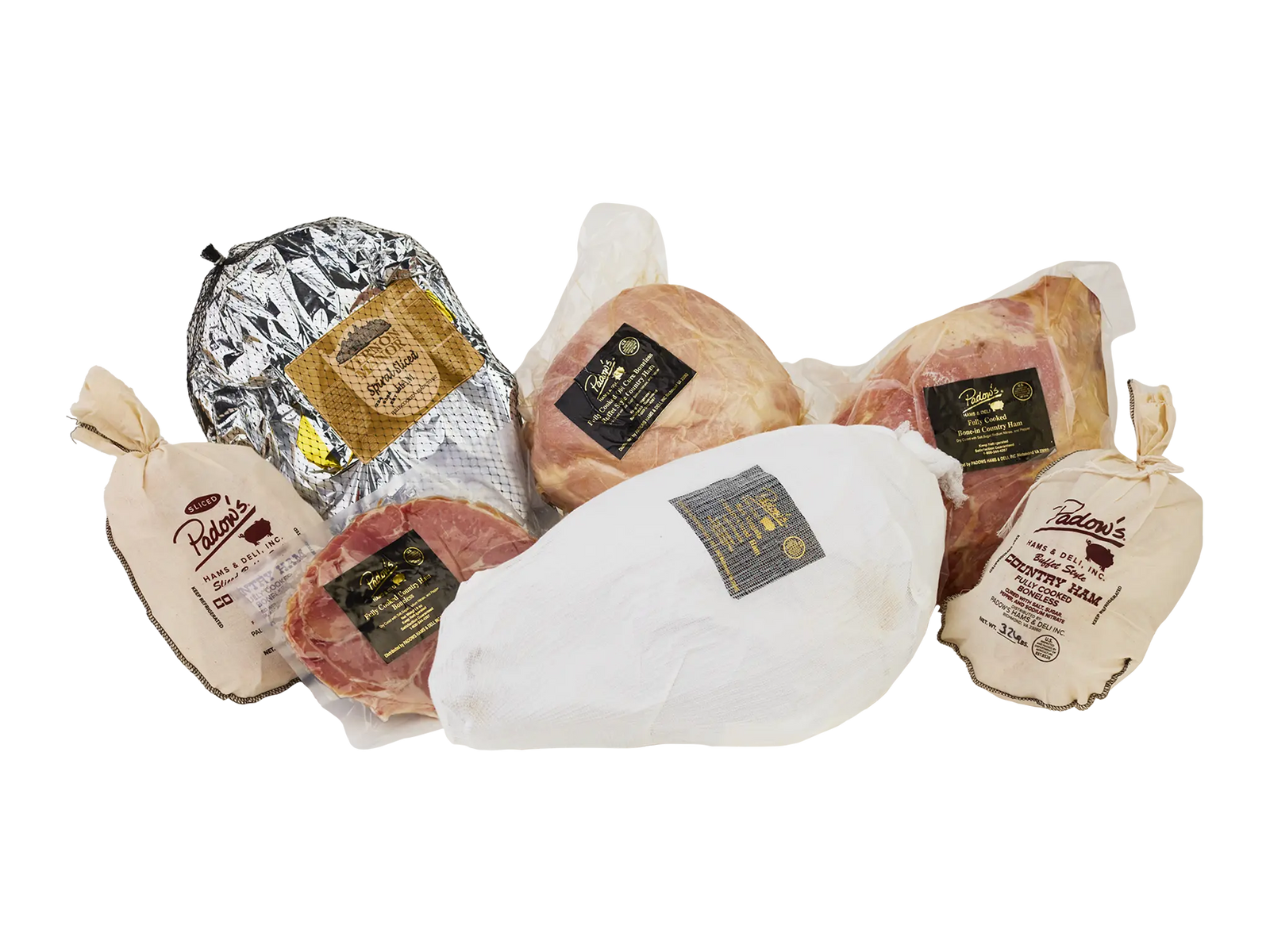
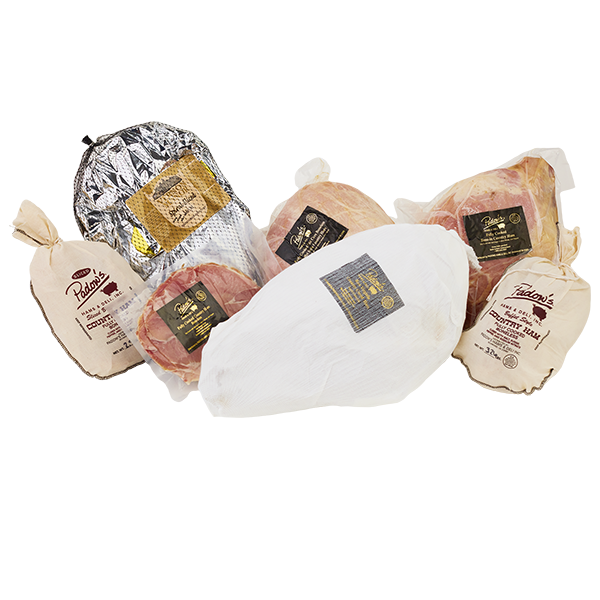
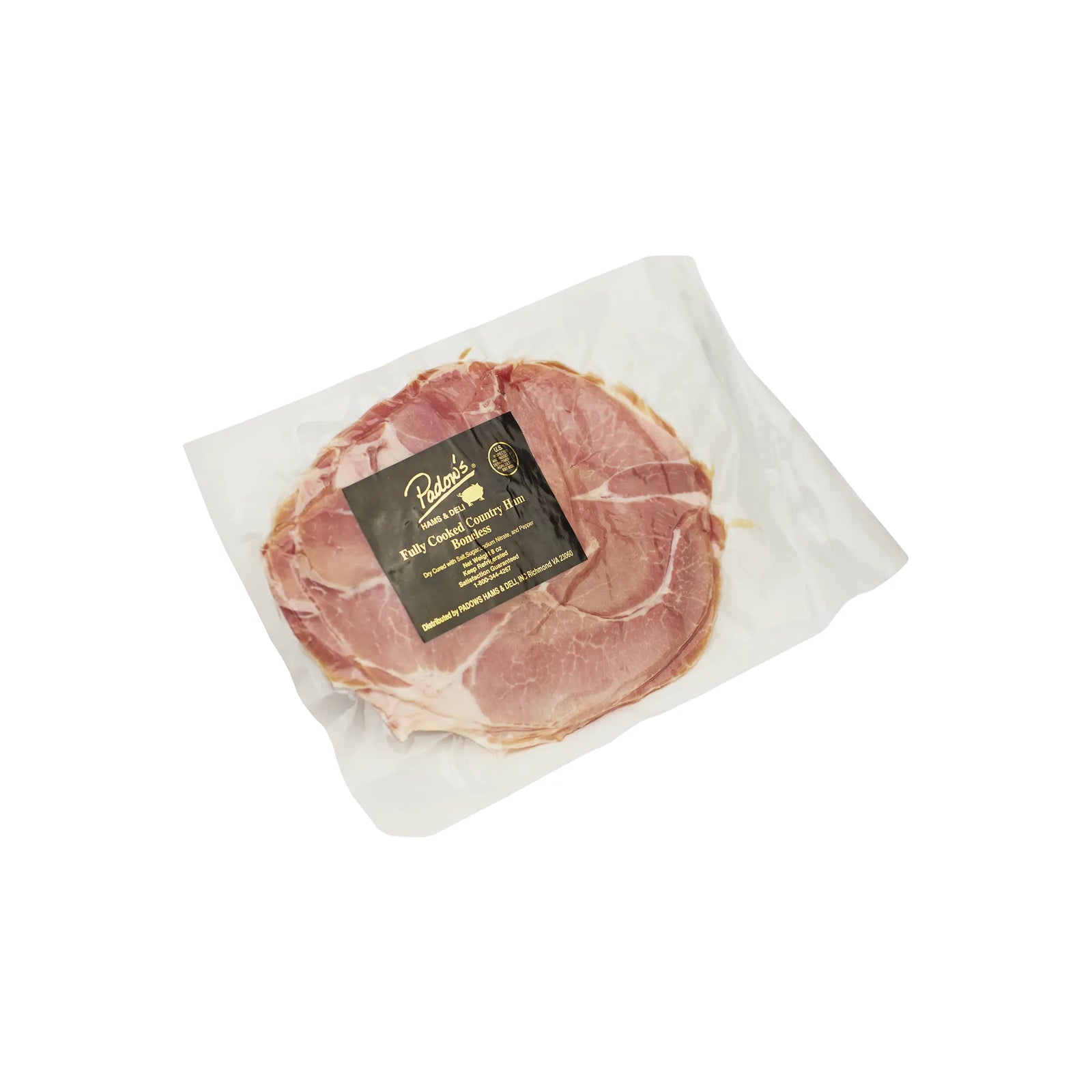
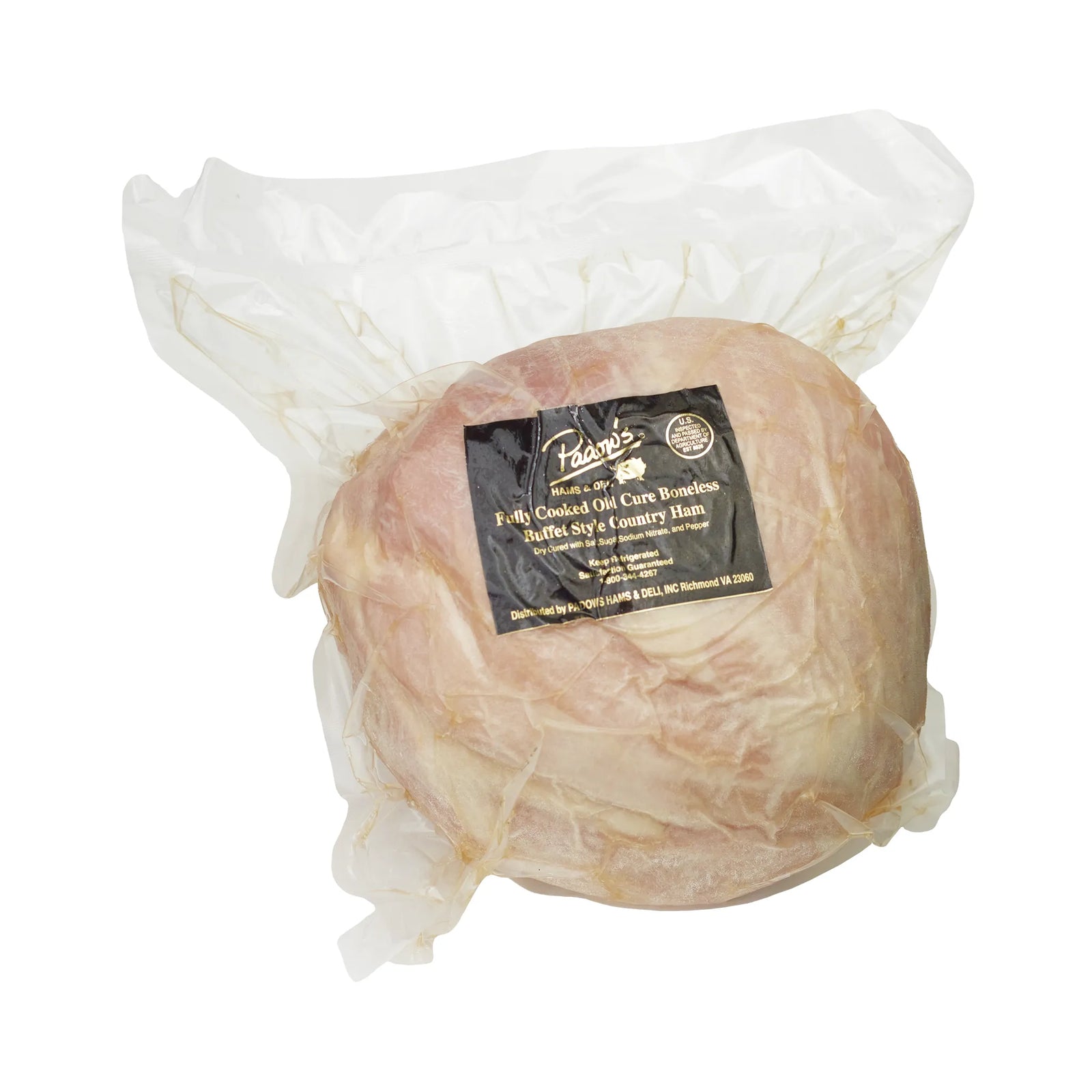
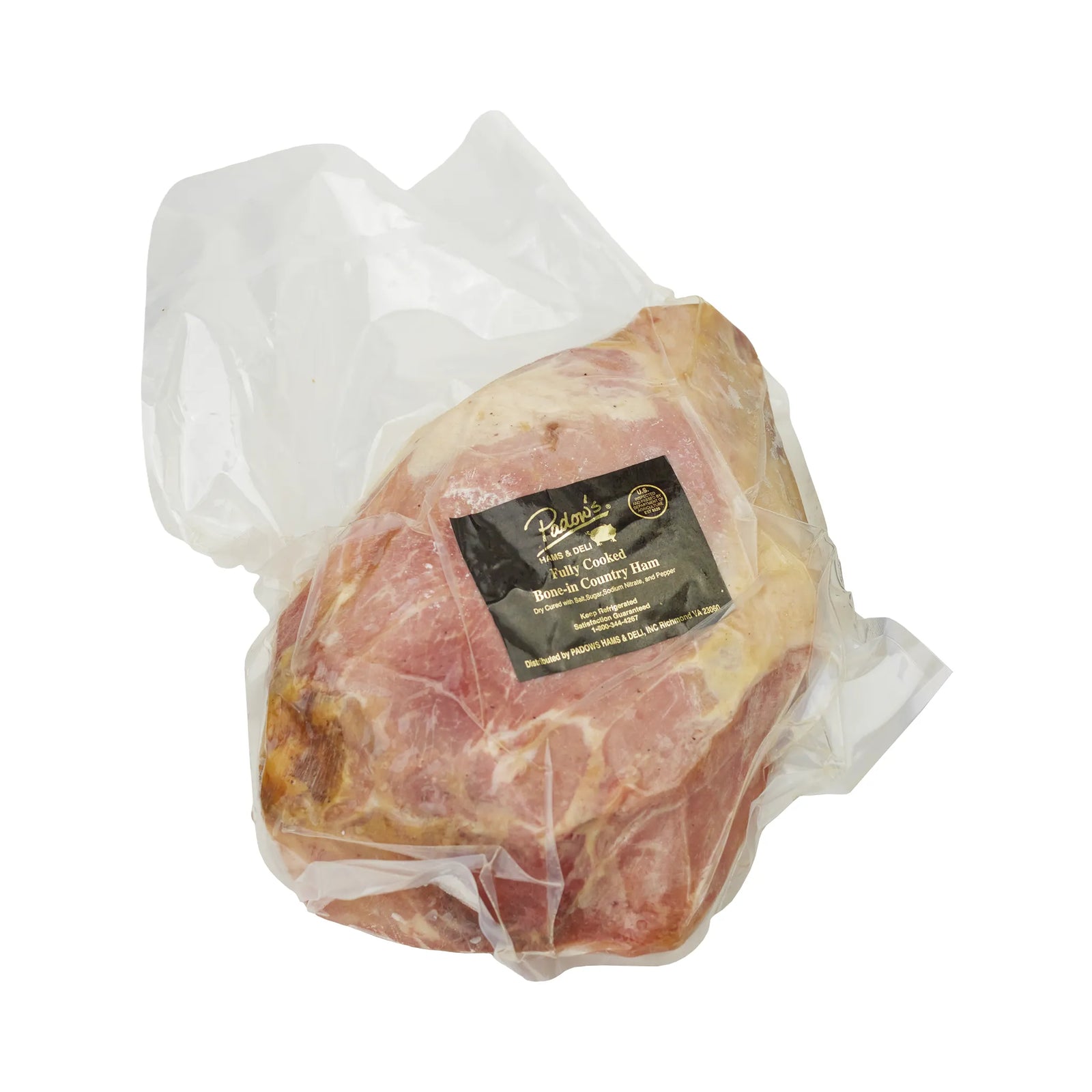
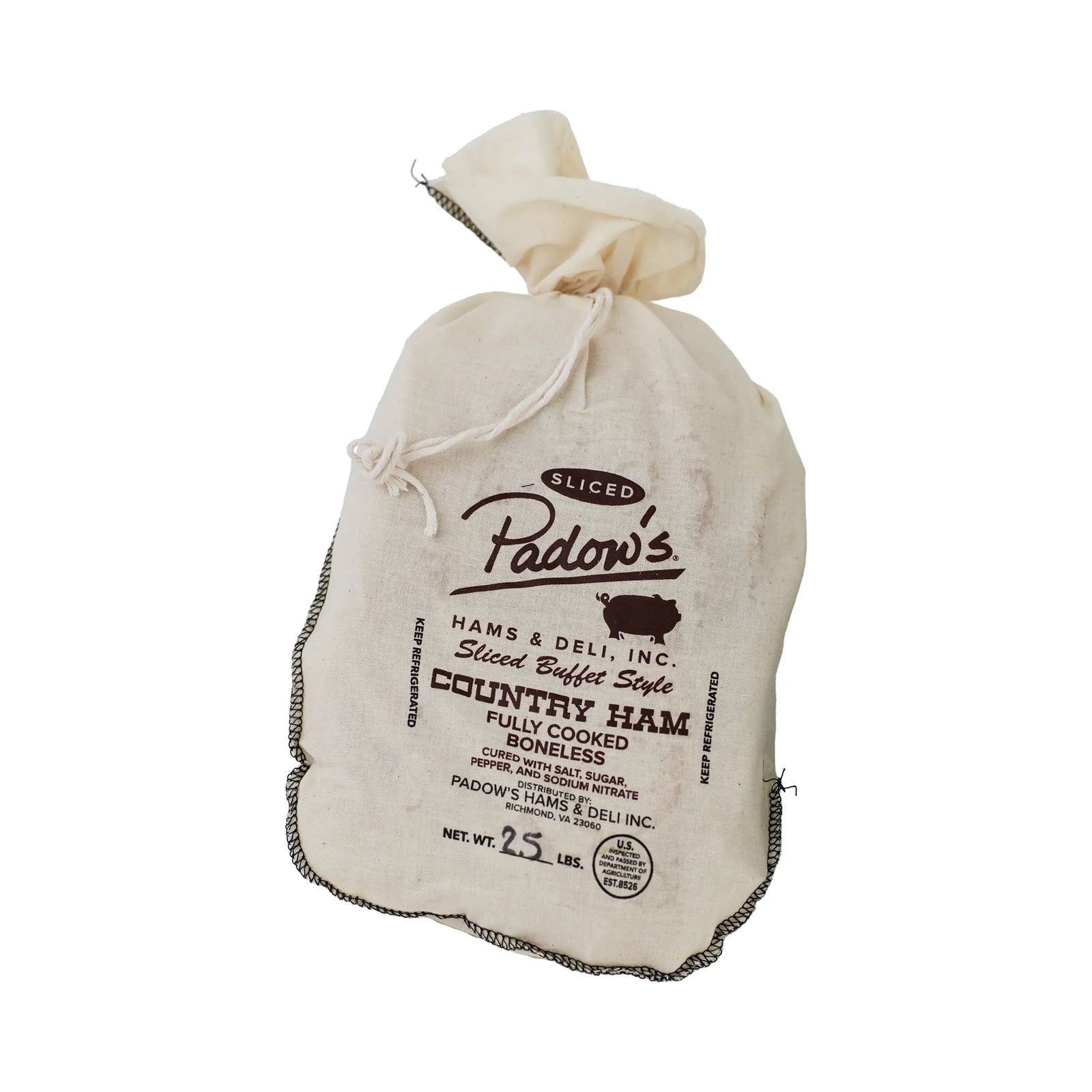
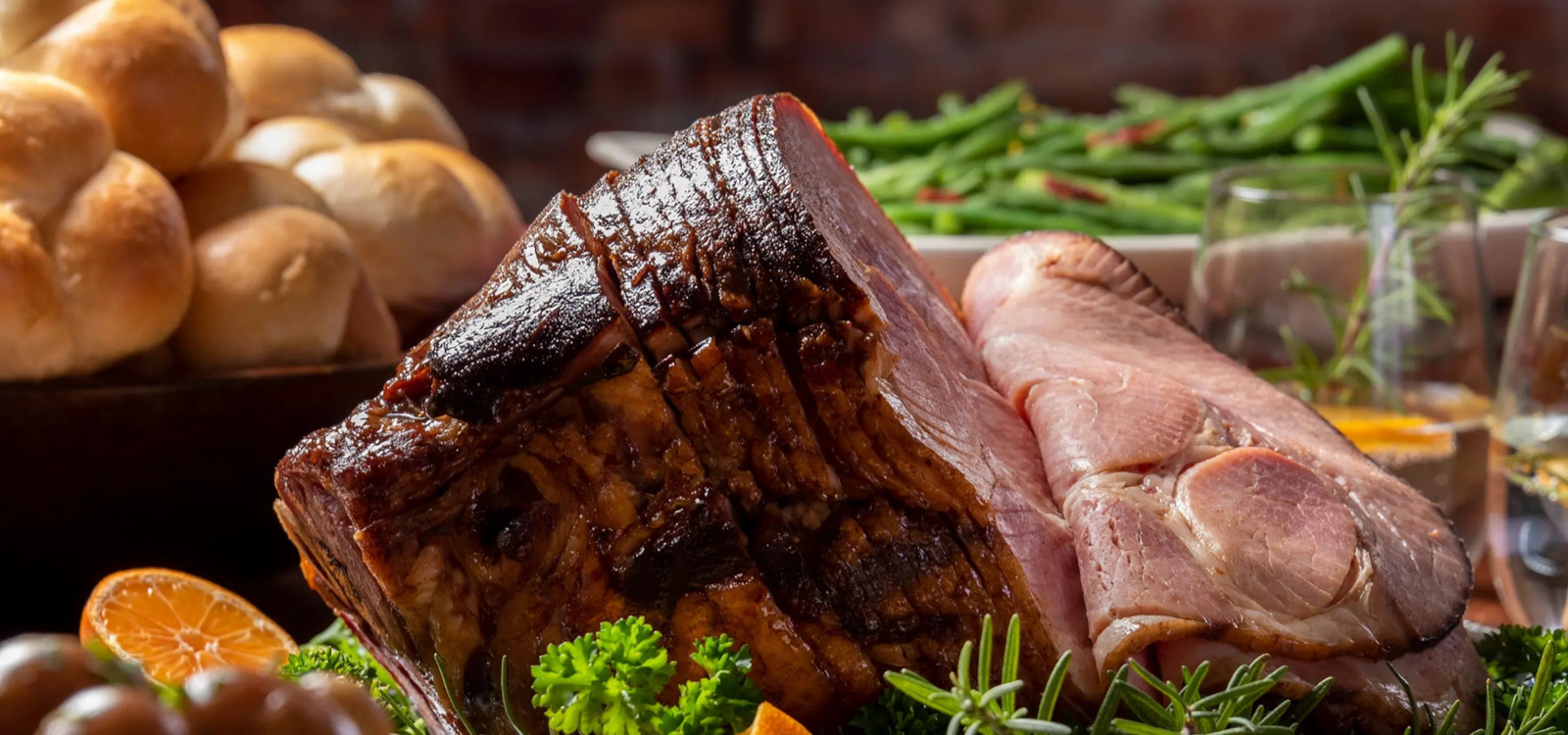
Dry-cured ham (sometimes called country ham or country-style ham) is made by rubbing the leg with salt and other dry ingredients rather than injecting a liquid brine. Per the USDA, dry cured ham is prepared "by the dry application of salt or by salt and one or more optional ingredients," and may not be injected with curing solutions (USDA FSIS). This slower method is how Padow's salt-cured country hams are made, using the same time-honored technique the brand has relied on for generations.
Salt-Cured Ham
Salt-cured ham is a broader term for any ham preserved primarily with salt rather than sugar-forward or heavily smoked methods. It's the foundation of dry curing and the reason a well-cured country ham can be shelf-stable at room temperature for months.
What Is Uncured Ham?
Here's where the labeling gets confusing. "Uncured" doesn't mean no curing happened, it means the ham wasn't cured with synthetic sodium nitrate or nitrite. Instead, manufacturers use naturally occurring nitrates from sources like celery powder, celery juice, or beet juice.
The USDA's own glossary defines "Ham, Fresh or Uncured" as the uncured leg of pork, which must be labeled "Fresh" or "Uncured" specifically because it's prepared without nitrate or nitrite (USDA FSIS). But most "uncured" hams and bacon on shelves today aren't truly nitrate-free; they're just cured with a natural substitute. As Cleveland Clinic dietitian Anthony DiMarino puts it, "uncured" meat is "technically… still cured," just with plant-based nitrates standing in for synthetic ones (Cleveland Clinic).
Cured vs. Uncured Ham at a Glance
| Category | Cured Ham | Uncured Ham |
|---|---|---|
| Curing agent | Synthetic sodium nitrate/nitrite | Natural nitrates (celery powder, celery juice, beet juice) |
| Technically cured? | Yes | Yes, "uncured" refers to the nitrate source, not the absence of curing |
| Flavor | Deeper, more concentrated, classic "ham" taste | Milder, closer to fresh pork |
| Color | Signature pink-red | Often slightly less vivid pink |
| Shelf life | Longer, especially dry-cured varieties | Generally shorter; still refrigerated/frozen per USDA guidance |
| Labeling requirement | No special disclaimer needed | Must be labeled "Fresh," "Uncured," or "No Nitrates/Nitrites Added" per USDA |
| Health difference | Can form nitrosamines, especially at high heat | Can also form nitrosamines from natural nitrates, no meaningful health edge |
| Common examples | Country ham, deli ham, spiral-cut ham | "Natural" or "organic" deli ham, some bacon |
The Difference Between Cured and Uncured Ham
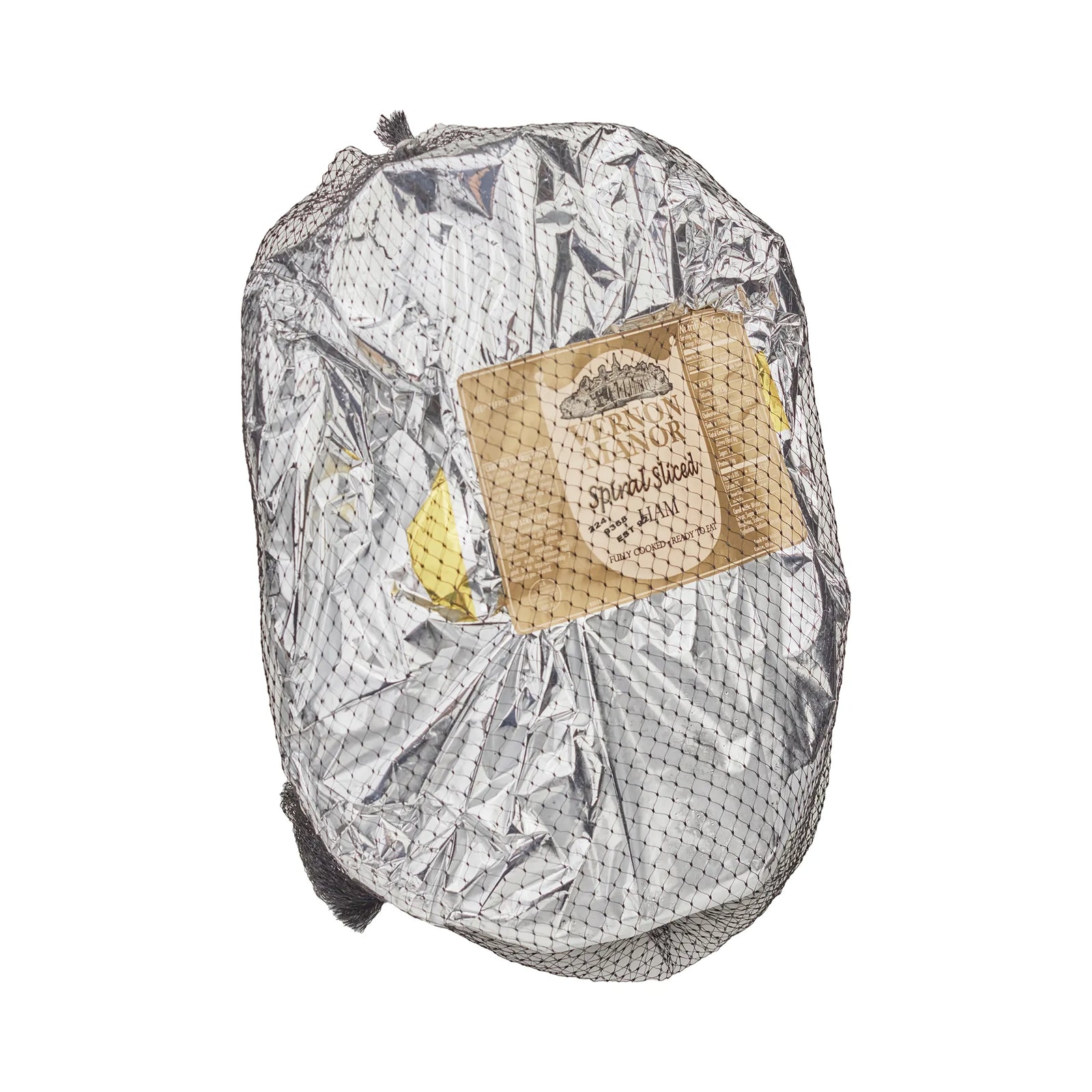
The real difference between cured and uncured ham comes down to the source of the nitrates, not whether curing happened at all. Cured ham uses synthetic sodium nitrate or nitrite. Uncured ham uses natural nitrate sources like celery powder. Both preserve the meat, both affect flavor and color, and both are still, technically, cured products.
Is Uncured Ham Safe to Eat?
Yes. Uncured ham is processed and regulated the same way as any other ham product, and it must still meet USDA standards for safe handling, storage, and, where applicable, treatment for trichinae. The "uncured" label affects the source of the curing agent, not the safety standards the product has to meet.
Is Uncured Ham Healthier Than Cured Ham?
Not meaningfully, according to current research. The health concern with cured meats is that nitrates and nitrites can convert into nitrosamines, compounds linked to increased cancer risk, especially when meat is cooked at high temperatures. The trouble is, naturally sourced nitrates behave the same way.
A 2022 review cited by Cleveland Clinic found that both synthetic and plant-based nitrites can form nitrosamines, particularly under high heat, meaning the "uncured" label isn't the health shortcut it's often marketed as (Cleveland Clinic). It's also worth knowing that the World Health Organization's International Agency for Research on Cancer classifies processed meat generally, cured or uncured, as a Group 1 carcinogen, meaning there's strong evidence it can contribute to cancer risk, not that it carries the same level of risk as something like tobacco (WHO).
The upshot: moderation and quality matter more than whether the label says "cured" or "uncured."
Which Should You Choose?
If you're chasing a specific flavor profile, that's really what should guide the decision. Traditional dry-cured and salt-cured hams deliver a deeper, more concentrated flavor built over weeks or months of aging. Uncured, mildly cured hams tend to taste milder and closer to fresh pork. Neither has a meaningful health edge over the other, so it comes down to taste, texture, and how the ham was actually made.
The Padow's Difference
At Padow's, we've never chased shortcuts or marketing labels. Our country hams are dry-cured the traditional way: salt, time, and patience, with no injected solutions and no gimmicks. If you want a ham with real, deep-cured flavor and a process you can trust, shop our full Ham Collection and taste the difference decades of craft actually makes.
FAQs
Does uncured ham need to be cooked?
It depends on the product. Some uncured hams are sold fully cooked and ready to eat, while others are labeled "cook before eating." Always check the package for cooking instructions and USDA safe minimum temperatures.
Does uncured ham contain nitrates?
Yes, typically from natural sources like celery powder or celery juice, which convert to nitrite during processing, similar in function to the sodium nitrite used in traditionally cured ham.
Can you eat uncured ham cold?
Fully cooked uncured hams can generally be eaten cold, straight from the package, the same way you would fully cooked cured deli ham.
Is country ham the same as cured ham?
Country ham is a specific type of cured ham, dry-cured with salt rather than injected with a brine. All country ham is cured; not all cured ham is country ham.
Works Cited
DiMarino, Anthony. "Is Uncured Bacon Healthier or Just Hype?" Cleveland Clinic Health Essentials, Cleveland Clinic, 18 Mar. 2025, health.clevelandclinic.org/uncured-bacon-healthier-or-hype.
United States, Department of Agriculture, Food Safety and Inspection Service. "Hams and Food Safety." USDA FSIS, 15 Jan. 2025, www.fsis.usda.gov/food-safety/safe-food-handling-and-preparation/meat-catfish/hams-and-food-safety.
World Health Organization. "Cancer: Carcinogenicity of the Consumption of Red Meat and Processed Meat." WHO, 26 Oct. 2015, www.who.int/news-room/questions-and-answers/item/cancer-carcinogenicity-of-the-consumption-of-red-meat-and-processed-meat.
Taste the difference decades of traditional salt-curing actually makes.
Shop Padow's Country Ham Collection